 2025-11-28
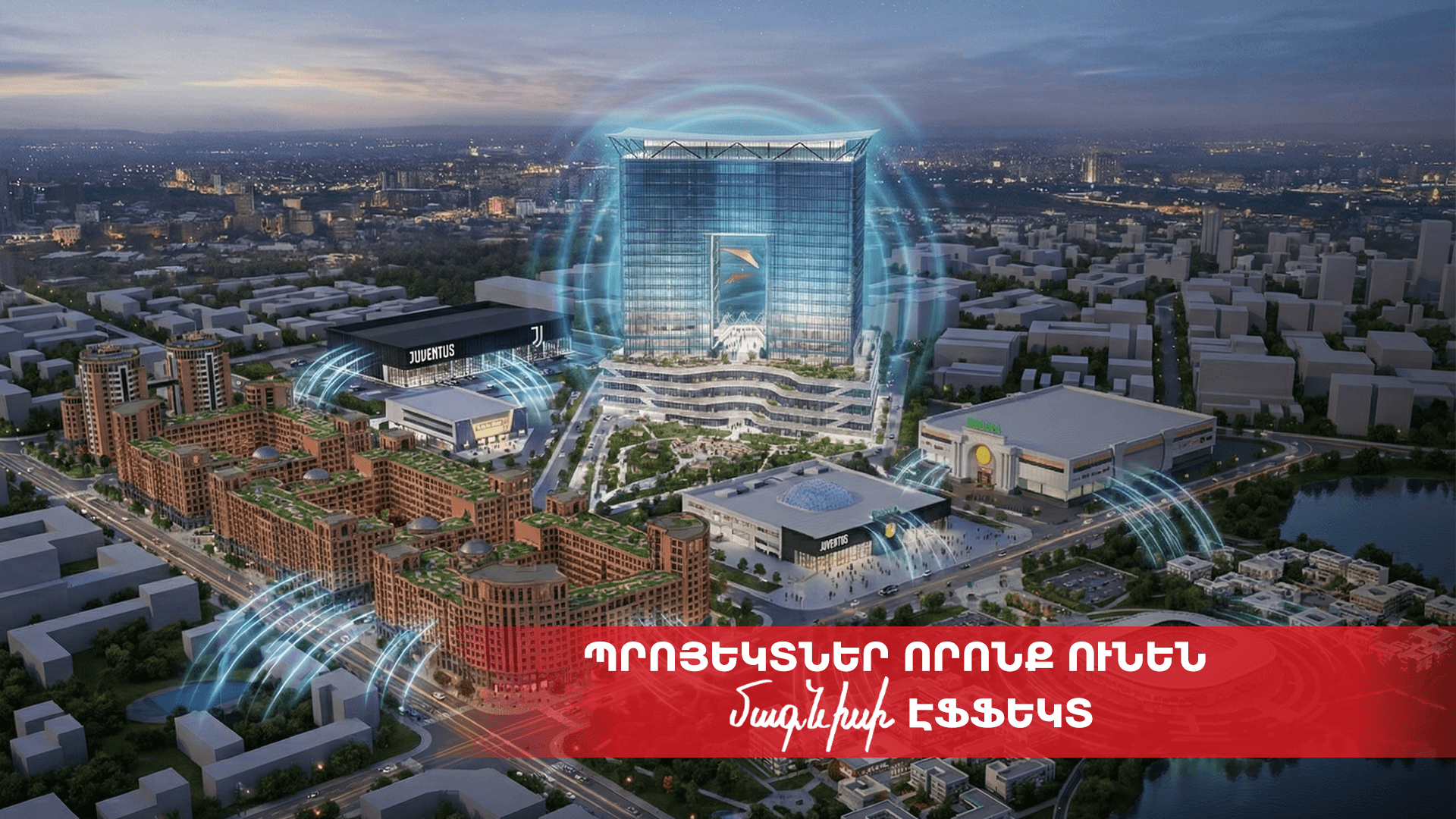
In Yerevan, there are urban development projects that represent more than just buildings. They transform the atmosphere of an area, attract new businesses, increase prices, and activate the market. One project can trigger construction, sales, and investments in surrounding streets. This phenomenon—when a project becomes a magnet—is already visible in several districts. In this article, we explore such cases without advertising or loud headlines. Only facts, locations, and consequences.
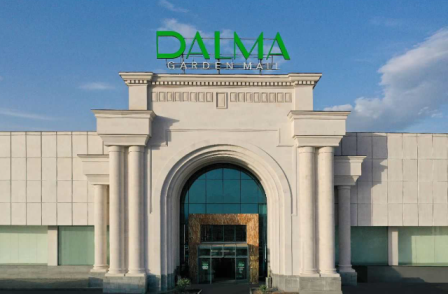
Dalma appeared in a long-forgotten area—Tsitsernakaberd Highway. But the mall’s construction brought movement, people, and life. It became not just a shopping destination but also a meeting point and a place for leisure and recreation. Roads improved, transportation routes expanded, and new buildings and hotels appeared. Dalma became the catalyst for revitalizing the district—a center around which the city began to breathe in a new way. Today it is not merely a mall but a new direction for urban development.
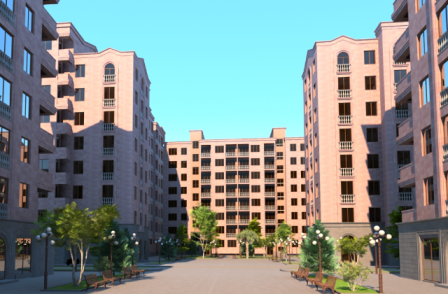
Yeraz was built on a street that lacked a clear residential identity. But the neighborhood introduced a new concept of what life in Yerevan could look like. Children play in the parks, neighbors greet each other, and people go out for evening walks without needing a car. The district created an environment that is calmer and more human-centered. Nearby areas soon started attracting new developments, because Yeraz demonstrated that it is possible to live in Yerevan the way one dreams. It became a model for both developers and residents.
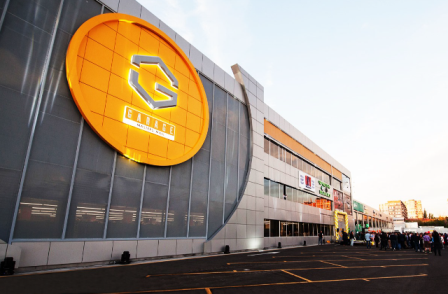
After Garage Mall was built, the general activity in this part of Ajapnyak noticeably increased. The area, previously industrial with little movement, began attracting people for work, services, and business. The mall became a concentration point for car enthusiasts, craftsmen, construction specialists, and technical professionals. This activity sparked new developments: shops, car dealerships, service centers, and even residential projects appeared nearby. Economic activity also stimulated infrastructure improvements—better roads, more transportation routes, and improved accessibility.
These three projects—Dalma Garden Mall, Yeraz District, and Garage Mall—differ in nature yet share a common feature: they transformed not only their immediate area but also the surrounding environment. Dalma brought life to a forgotten zone; Yeraz showed that a residential area can be a true community; Garage Mall revitalized an industrial district into a practical hub.
These projects have acted like magnets, attracting businesses, development, and people. They have become points around which the city began to breathe anew. And today, similar points are emerging again. In some places, the internal movement from which new stories begin is already noticeable.
These examples show that sometimes the value of a district starts rising when the first signs of movement appear. By paying attention to changes, activity, construction, or human flow, one can identify these shifts before they become widely recognized. Awareness and understanding enable early evaluation of potential. And at that moment—while others are still waiting—one can make decisions that later become profitable investments. Predicting such projects is not only an investment skill but a strategic mindset: seeing not what is, but what can be.
Based on this, we can conclude that similar emerging projects today will soon become development cores and investment magnets. Without testing your patience further, here are several such projects.
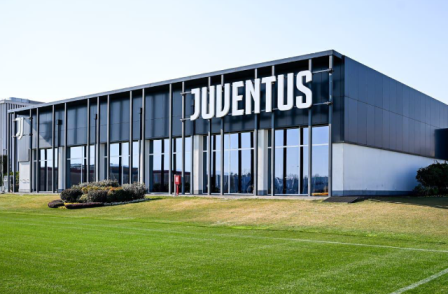
The Juventus Football Academy being built in Nor-Hachn promises to become a new axis of Armenia’s sports infrastructure. The project follows international standards, including a UEFA Category II stadium, training complexes, hotel facilities, and educational components. This academy is not only a sports center but also a trigger for regional development. Increased activity is expected due to sports events, visitor flow, and improved infrastructure. The project is set to shape a new rhythm based on sports, education, and community life.
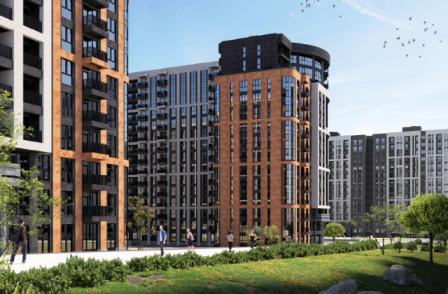
Defense District, currently being developed in the northern part of Yerevan, stands out for its scale, architecture, and location. It includes residential buildings, commercial spaces, green areas, and infrastructure aimed at creating a self-sufficient living environment. Construction has already influenced surrounding activity—raising interest, driving price changes, and attracting investors. Defense may become a new urban layer with residential, commercial, and communal functions.
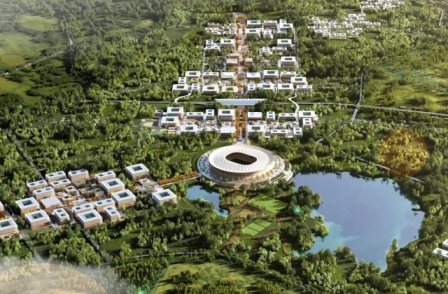
The emerging Academic City near Yerevan is not merely an educational reform initiative; it is a territorial magnet shaping new infrastructure and urban directions. Bringing together universities, research institutes, and technology platforms, it forms an ecosystem of knowledge and innovation. About 275 hectares are being master-planned with green zones, mobility solutions, and modern infrastructure. Collaboration with top German institutions—TUM and GMP—increases credibility and attracts international involvement. The area is expected to develop new residential, commercial, and service zones based on educational demand. Academic City becomes a catalyst for revaluing the area, uniting public and private resources.
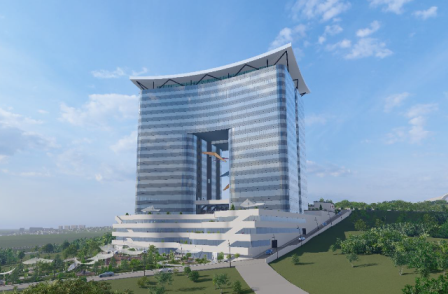
Dalan Technopark is emerging as a regional innovation hub uniting IT companies, startups, educational institutions, and research centers. Built according to global ecological standards, it ensures sustainable design, energy efficiency, and environmental responsibility. This approach shapes a modern workspace and strengthens the project’s appeal for local and international investors. Today we see that magnet projects are not simply successful developments—they are signals that reshape prices, routes, construction, and the city’s spirit, redirecting investor interest.
This leads to an essential question: can we identify these signals before they become obvious? In the 21st century, success depends on the right analysis and use of information. Therefore, being aware of such projects and predicting the upcoming revaluation of their surroundings allows one to make strategically advantageous decisions.


