 2026-04-08
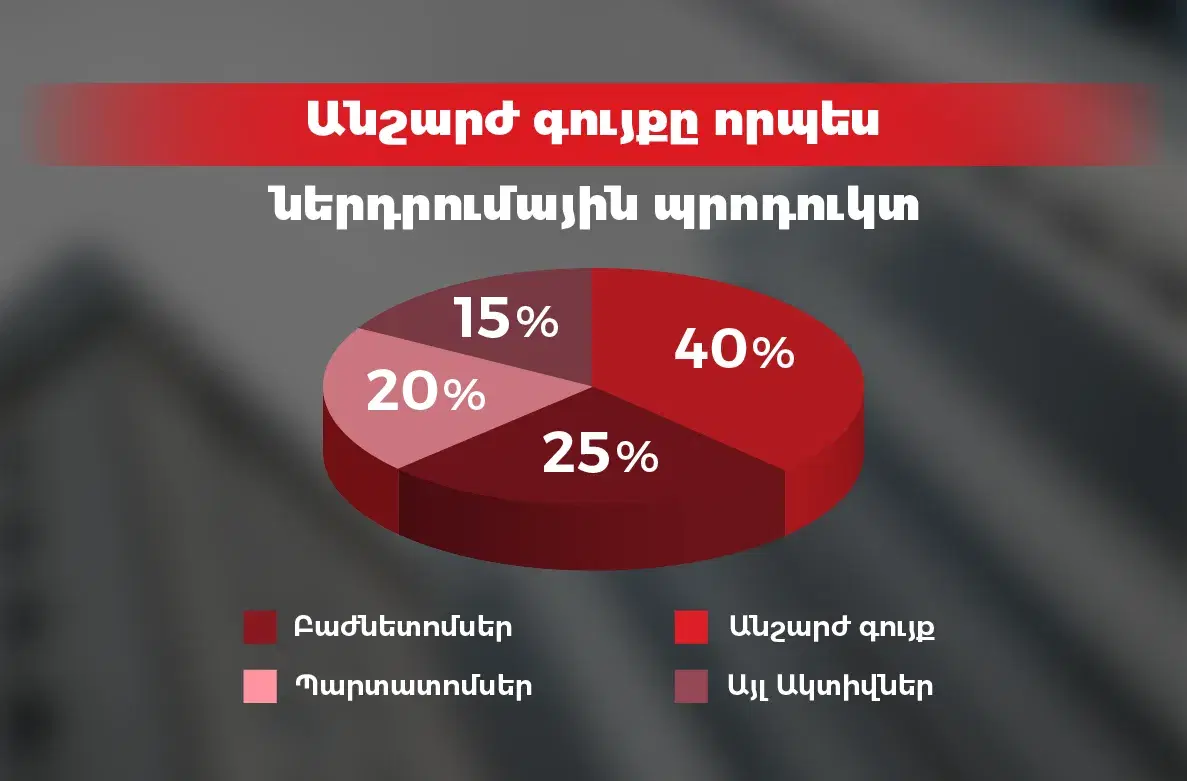
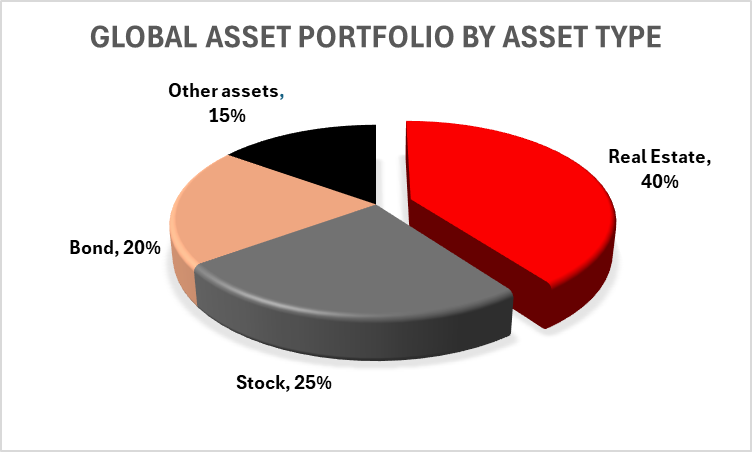
Real estate plays a dominant role in the global asset structure, accounting for about 40%. For comparison, stocks make up 20–25%, bonds 15–20%, and other assets 5–15%. According to international estimates, the total value of real estate exceeds $393 trillion, making it humanity’s largest capital asset.
Annual investment flows amount to around $800–850 billion.
This asset is distinguished by several fundamental characteristics:
Historically, real estate has preserved its value even during economic cycles and has ensured long-term growth, especially in urban and emerging markets.
The investment appeal of real estate is driven by its income structure and market logic. Rental income averages 4–6%, while capital appreciation raises total returns to 6–10%. This makes it a mandatory component of investment portfolios: average investors allocate 20–40% of their capital, high-income investors 20–35%, and institutional investors 5–15% to real estate. The market’s low turnover (about 0.2–0.3%) also indicates its suitability for long-term capital preservation.
Real estate stands out for its stability and low volatility. While stock prices may fluctuate 15–30% annually, real estate prices usually change much more smoothly. Rental income generates continuous cash flow, and under inflationary conditions, rental payments often rise in line with inflation, preserving the investor’s real income.
Key advantages can be summarized as:
In today’s market, real estate is transforming by incorporating new segments. Data centers have become one of the fastest-growing directions in recent years, with their investment share reaching up to 31% at certain times. This is driven by digitalization and the sharp increase in data volumes, opening new opportunities for investors.
Despite its advantages, the real estate market faces challenges. Construction costs have risen at double-digit rates in recent years, financing rates are high, and regulations are tightening.
Main risks include:
These factors may limit investment activity and affect market dynamics.
Real estate is considered a unique asset class that combines vast market volume, low transactional activity, and stable returns. The market is currently in a recovery phase and continues to attract institutional capital, particularly within strategies focused on stable income. This combination makes real estate an investment asset more effective for long-term capital preservation and growth rather than short-term profit.


